
"Cuban coffee culture"
100 article(s) found

Cuban Coffee Culture Cuban Crystal Coffee introduction Fine Coffee beans
Coffee was introduced into Cuba from Dominica in 1748. In Cuba, where the land is fertile and the climate is humid, Rain Water's abundant area has become the most suitable place to grow coffee. After that, coffee began to be grown and developed in Cuba. In the Central Mountains of Cuba, it is the best place to grow Cuban coffee, in which Crystal Mountain coffee is synonymous with top Cuban coffee. (ancient)

Ningbo Yangtze River Delta International Cultural Industry Expo last day Malaysian hand-painted Cuban coffee
In addition to Belt and Road Initiative International Pavilion, other pavilions are also very popular. The picture shows that in the non-heritage exhibition hall, citizens are visiting the works of national inscriptions Zhu Bingren and Zhu Junmin, reporter Jia Dongliu photographed the crowded people who have watched and experienced the exhibition at the International Convention and Exhibition Center in the past two days after the opening of Ningbo Yangtze River Delta International Cultural Industry Expo last Friday. After the interview, the reporter found that the hand-painted in Malaysia, the devil dance in the Venezuelan pavilion, and the tunnel.

Cuban coffee presentation? What is Cuban Coffee? Cuban coffee history?
Professional coffee knowledge exchange More coffee bean information Please pay attention to coffee workshop (Weixin Official Accounts cafe_style) Cuba's clock stopped at the moment when the United States imposed trade sanctions on Cuba in 1960. Even 50 years later, in Cuba, just 60 miles off Florida's southern Caribbean coast, people still drive old cars with all kinds of paint and live in bright colors
How to make Cuban coffee? Geographical features of Cuba and culture of coffee cultivation, production and consumption
Cuba Geography and Coffee Cultivation: An important coffee-growing region of Cuba is located in the Sierra Maestra Mountains in eastern Cuba. The pleasant climate and fertile reddish-brown soil are rich in humus, so coffee can be grown without fertilizer, giving Cuba a good reputation for growing some of the best coffee. The towns of the Maestra Mountains have a history of growing coffee, people

History of Cuban Coffee Culture of Cuban Coffee City
Coffee was introduced to Cuba from Dominica in 1748, and Cuba has since grown coffee. The fertile soil, humid climate and abundant rainfall in Cuba make it a natural treasure for coffee cultivation. Suitable natural conditions provide a favorable natural environment for the growth of coffee trees, where coffee is well planted and developed. In Cuba, coffee cultivation is regulated by the State. Cuba

Coffee Culture Story the History and Culture of Cuban Coffee
In 1748, coffee was introduced into Cuba from Dominica, and Cuba began to grow coffee ever since. With fertile land, humid climate and abundant Rain Water, Cuba can be called a natural treasure land for coffee cultivation. The suitable natural conditions provide a favorable natural environment for the growth of coffee trees, and coffee is well planted and developed here. In Cuba, the cultivation of coffee is regulated by the state. Cuba is the most

Are Cuban coffee beans expensive? Characteristics and flavors of Cuban Coffee
For information, please follow the coffee workshop (Wechat official account cafe_style). In 1748, coffee was introduced to Cuba and quickly became a habit and a daily life with deep social and cultural connotations. Cuba has a fertile land, a subtropical climate, a humid climate and abundant Rain Water, with mountains between 350m and 750m above sea level and an average temperature of 23-28 degrees.

The rich flavor of Cuban crystal coffee introduces the characteristics of Cuban coffee beans.
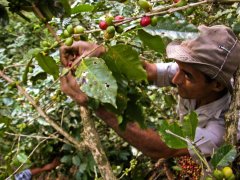
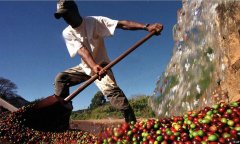
The coffee beans selected by Cuba Amber Coffee (Cubita) are Arabica varieties grown in the crystal mountains of Cuba and are known as unique Caribbean flavor coffee. Coffee beans are picked by hand and refined by water washing to remove defective beans and other impurities to the greatest extent, coupled with the careful roasting of experienced roasters, it is rare to have this unique coffee bean in the world.

A brief introduction to the origin, development, history and culture of Cuban crystal mountain boutique coffee beans
At present, Crystal Mountain Coffee is very precious. This is mainly for two reasons. The first reason is the economic sanctions imposed by the United States against Cuba and the non-opening up of Cuban imports. The second reason is that at present, Cuban coffee beans are mostly acquired by the French and Japanese markets, especially Japan, so it is difficult to buy coffee beans directly from Cuba. Nevertheless, Cuban coffee is a global coffee.

The History and Culture of Cuban Coffee
In 1748, coffee was introduced into Cuba from Dominica, and Cuba began to grow coffee ever since.

Cuban boutique coffee introduces Cuban coffee flavor Cuban coffee characteristics Cuban coffee taste Cuba
Cuba recorded that there were 2067 coffee plantations in Cuba in 1833. Among them, the earliest seven coffee plantation sites, such as Raglan Piedra, Elkovre, El Salvador and Nisto Perez, are listed as World Cultural Heritage. The seven coffee plantations are the foothills of the Maestra Mountains in the provinces of Santiago and Guantanamo in southeastern Cuba in the 19th century (figure 17 is a postcard).

The History, Culture and Story allusions of Cuba's Crystal Mountain Coffee
Professional baristas exchange please follow the coffee workshop (Wechat official account cafe_style) Cuba Crystal Mountain Coffee boutique beans history and culture, stories and allusions where is Crystal Mountain? Crystal Mountain is not the name of Cuba's producing area. Crystal Mountain is the highest grade of coffee in the Cuban official Coffee Association grading system. The Cuban Coffee Association divides coffee beans into nine categories according to particle size and flavor.

Why Miami Coffee Culture is influenced by Cuba introduction to Miami's unique coffee culture
Miami's coffee culture is inseparable from the influence of Latinos. More than 60 years of Cuban immigration history, unlike most major cities in the United States, has helped to create a culture in a way that enjoys coffee. This means that if you are a roaster or coffee shop that wants to enter this market, you should understand the way people's attitudes towards drinks are shaped. Cuba's contribution to Miami coffee culture

General knowledge of Fine Coffee Culture History and Culture of Cuban Coffee
In 1748, coffee was introduced into Cuba from Dominica, and Cuba began to grow coffee ever since. With fertile land, humid climate and abundant Rain Water, Cuba can be called a natural treasure land for coffee cultivation. The suitable natural conditions provide a favorable natural environment for the growth of coffee trees, and coffee is well planted and developed here. In Cuba, the cultivation of coffee is regulated by the state. Cuba is the most

General knowledge of Coffee Culture the History and Culture of Cuban Coffee
In 1748, coffee was introduced into Cuba from Dominica, and Cuba began to grow coffee ever since. With fertile land, humid climate and abundant Rain Water, Cuba can be called a natural treasure land for coffee cultivation. The suitable natural conditions provide a favorable natural environment for the growth of coffee trees, and coffee is well planted and developed here. In Cuba, the cultivation of coffee is regulated by the state. Cuba is the most

A brief introduction to the Origin, Development, History and Culture of Cuban Crystal Mountain Fine Coffee beans with slightly sour taste
In Cuba, coffee cultivation is regulated by the state, and the best coffee growing area in Cuba is located in the Central Mountains. Because this area not only grows coffee, but also produces quartz, crystal and other precious minerals, it is also known as Crystal Mountain. At present, Crystal Mountain Coffee is synonymous with top Cuban coffee. Crystal Mountain is adjacent to the Blue Mountains of Jamaica, with climatic conditions.

A brief introduction to the Origin, Development, History and Culture of Cuban Crystal Mountain Fine Coffee beans with coarse Mineral Fruit aroma
At present, Crystal Mountain Coffee is very precious. This is mainly for two reasons. The first reason is the economic sanctions imposed by the United States against Cuba and the non-opening up of Cuban imports. The second reason is that at present, Cuban coffee beans are mostly acquired by the French and Japanese markets, especially Japan, so it is difficult to buy coffee beans directly from Cuba. Nevertheless, Cuban coffee is a global coffee.
History and culture of Cuban coffee
Coffee was introduced to Cuba from Dominica in 1748, and Cuba has since grown coffee. The fertile soil, humid climate and abundant rainfall in Cuba make it a natural treasure for coffee cultivation. Suitable natural conditions provide a favorable natural environment for the growth of coffee trees, where coffee is well planted and developed. In Cuba, coffee cultivation is regulated by the State. Cuba

A brief introduction to the origin, development, history and culture of the noble Cuban Crystal Mountain boutique coffee beans.
Crystal Mountain Coffee beans are typical island beans with a clean and delicate taste, slightly sour taste, not strong but long-lasting, with sweet fruit aromas. The coffee made by it was owned by Jane in 1748, and coffee was introduced to Cuba from Domiga, and Cuba has been growing coffee ever since. With fertile land, humid climate and abundant Rain Water, Cuba can be called a natural treasure land for coffee cultivation. Suitable self

Cuban Coffee returns to the United States the flavor characteristics of Cuban coffee describe whether Cuban coffee tastes good
Professional coffee knowledge exchange more coffee bean information please follow the coffee workshop (Wechat official account cafe_style) Cuba coffee exporters are mainly Japan, France, Germany, Ireland and Canada. It is a typical Caribbean style coffee series. Coffee cherries are picked by hand, the maturity is just right, the granules range from 17 to 19 specifications, and are treated with water washing Seiko, with defects.